Terug naar de homepagina
Het belang van gebitsbeschermers voor mondgezondheid bij freestyle skiën - Thumbnail

Het belang van gebitsbeschermers voor mondgezondheid bij freestyle skiën

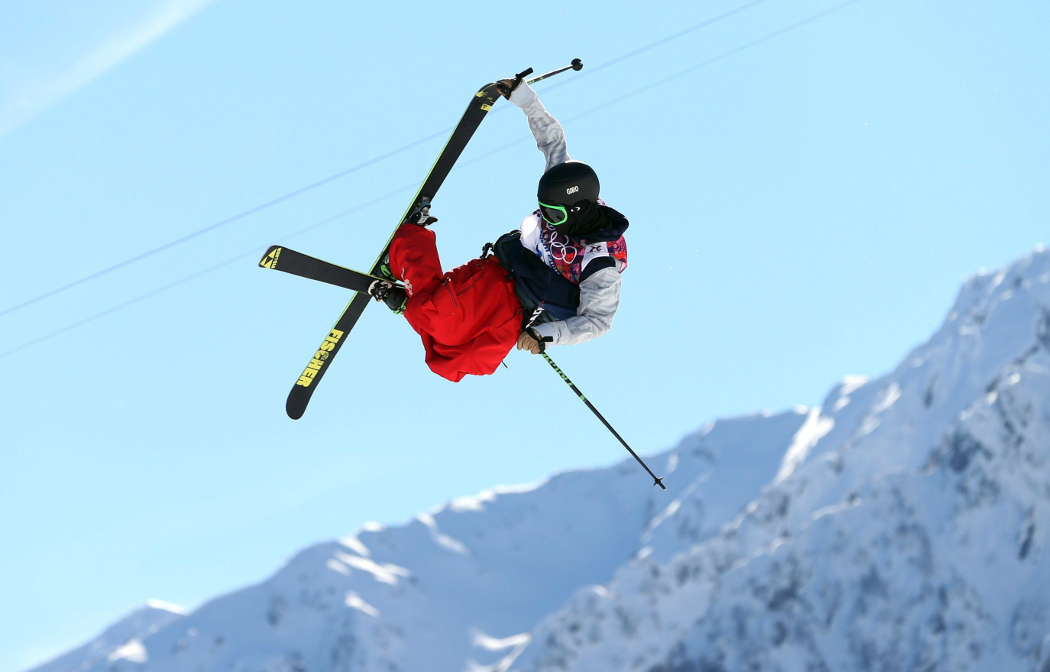
In aanloop naar de Olympische Winterspelen van Milaan–Cortina 2026 staat freestyle skiën opnieuw volop in de schijnwerpers. Wat ooit begon als een speels experiment op de piste, is uitgegroeid tot een technisch hoogstaande en spectaculaire Olympische sport. Freestyle skiën combineert creativiteit, lef en perfectie, en spreekt daarmee een breed en jong publiek aan. Tijdens een interview van Oral-Vision met Leo Jansen, voormalig trainer en Olympisch jurylid, wordt duidelijk hoe deze sport zich heeft ontwikkeld en welke fysieke eisen zij stelt aan de atleten en welke (mond)blessures het meest voorkomen. Freestyle skiën vindt zijn oorsprong in de jaren zestig in de Verenigde Staten. Skiërs begonnen toen te experimenteren met sprongen, spins en acrobatische bewegingen, puur voor het plezier. Deze vrije manier van skiën werd bekend als hot-dogging en kende nauwelijks regels of vaste vormen. In de jaren zeventig veranderde dit karakter. Freestyle skiën groeide uit tot een georganiseerde sport met officiële wedstrijden en vaste disciplines zoals moguls, aerials en zelfs balletskiën. De erkenning door de internationale skifederatie (FIS) in 1980 zorgde voor verdere professionalisering en internationale verspreiding. Leo Jansen werd in 1955 geboren op Schattenberg, kamp Westerbork, waar zijn familie tijdelijk verbleef na hun overtocht vanuit Indonesië. Vanaf zijn vijfde levensjaar groeide hij op in Groningen. Al op jonge leeftijd ontwikkelde hij een grote passie voor turnen, met name trampoline springen. Hij werd zelfs Nederlands kampioen en reisde de wereld rond dankzij zijn sport. Na de middelbare school meldde Leo zich aan bij het CIOS, maar door een ernstig ongeluk en een zware knieblessure moest hij zijn actieve trampolinecarrière beëindigen en stopte hij met de opleiding. Zijn liefde voor sport bleef echter: jarenlang werkte hij als trainer in de turnsport. According to Leo, freestyle skiing and trampoline jumping have a lot in common. In both sports, aerial acrobatics play a central role: jumps, flips, and twists require precision and full body control. Spatial awareness, timing, and coordination are essential for landing safely. Strength, explosiveness, and a strong core also play a major role. Trampoline jumping is often used as a training tool for freestyle skiers to practice new tricks and refine their technique. Due to the high jumps and hard landings, freestyle skiing is prone to injuries. Knee injuries, such as ACL tears, are the most common, followed by ankle, back, and shoulder injuries. Concussions can also occur, despite the use of protective gear. Therefore, strict requirements apply: freestyle skis are shorter and lighter than traditional skis, and back protection is highly recommended. In addition, mouth and jaw injuries are common. Leo saw in his career, among other things, broken or knocked-out teeth, cuts and tears in the lips and cheeks, and complaints related to the temporomandibular joint. Wearing a helmet in combination with a mouthguard can significantly reduce the risk of these injuries. Mouth health also plays a role: sports drinks and food can cause enamel erosion, leading to sensitive teeth, especially in the cold and dry environment in which this sport is practiced. Mouthguards are not a luxury in freestyle skiing. They protect teeth, lips, and jaw without obstructing breathing. Especially custom-made mouthguards offer the best fit and are widely used by competitive skiers, while thin performance mouthguards combine comfort with protection. In combination with a helmet, they reduce the impact of falls, acting as an airbag for the jaw, and contribute to a safer practice of a sport known for its spectacle, but also for its high physical demands. Recent research from the field hockey sport, however, shows that orodental injuries still occur frequently, even in athletes wearing a mouthguard. This suggests that not all mouthguards provide sufficient protection against the high forces released during intensive sports. These findings also emphasize the importance of high-quality, well-fitting mouthguards that offer optimal protection against hard impacts. To keep your mouthguard clean: *Blessures en mondgezondheid, Het belang van gebitsbeschermers (mouthguard), gebitsbeschermer te reinigen, mouthguard (bitje) beschermt het gebit, reinigen van mouthguard (bitje)*. Oral-Vision wishes everyone a lot of fun watching freestyle skiing at the Winter Olympics; https://olympische-spelen-site.nl/sporten/winterspelen/freestyle-skien